Table of Content
And both Google Assistant and Alexa also come built in to a number of the best smart speakers. Are compatible with the two prevailing operating systems in the mobile landscape, iOS, and Android. This allows them to meet the needs of most users, who will be able to control their speakers and displays very simply with their phone. It is a field in which this binomial of assistants is noticeable, and most of the light bulbs, plugs, and other accessories are compatible with both platforms. With a 7-inch screen, the Google Nest Hub is the smaller of Google's smart displays. Much like a smart speaker, it can be used to play music, find out the news, get weather updates and control smart home devices in your home.
This is a convenient option and pretty much the only way to issue multiple commands to Alexa. It's possible to add shopping list items to Google Keep with voice commands if you create a list in the app and give a specific name. It works as long as you don't have the same list names on the Google shopping list site. It doesn't have the helpful photos or categories, but doesn't require the website.
Echo studio
As a result, the HomeKit ecosystem is somewhat limited, reminiscent of Apple's traditional closed-door policy towards innovation. Google Home's ecosystem trails Alexa in the number of supported devices. According to Statista, Google Assistant is compatible with more than 50,000 devices made by thousands of manufacturers globally.
In this case, our recommendation is none other than to periodically consult their respective official stores to hunt for the best price. Since its third generation, there is a version with a built-in digital clock, making it ideal to be placed on the bedside table. The Google Assistant is the best smart assistant for getting directions.
SimpliSafe: Set Up Guide
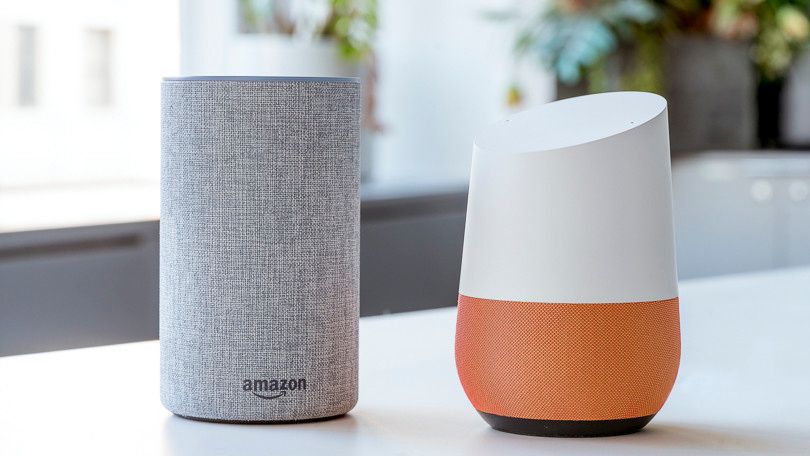
Stepping down from those models, the Echo Dot has a bit of an edge over the Nest Mini, which has fairly weak bass and midrange. Of course, these smaller speakers are much more suitable for nightstands and desks than serving as a room's main audio device. The first thing you’ll notice when you open the Google Home is its somewhat interesting design.
Besides, you can get a much better-sounding Bluetooth speaker for that price. They have big screens for video chat, TV, or recipes, and great speakers, too. It is the poorest of the trio with support for around 450 smart devices in contrast to Alexa's and Google Home's thousands. However, HomeKit supports some popular smart home devices you'll most likely need.
Amazon Alexa vs. Google Home: Verdict
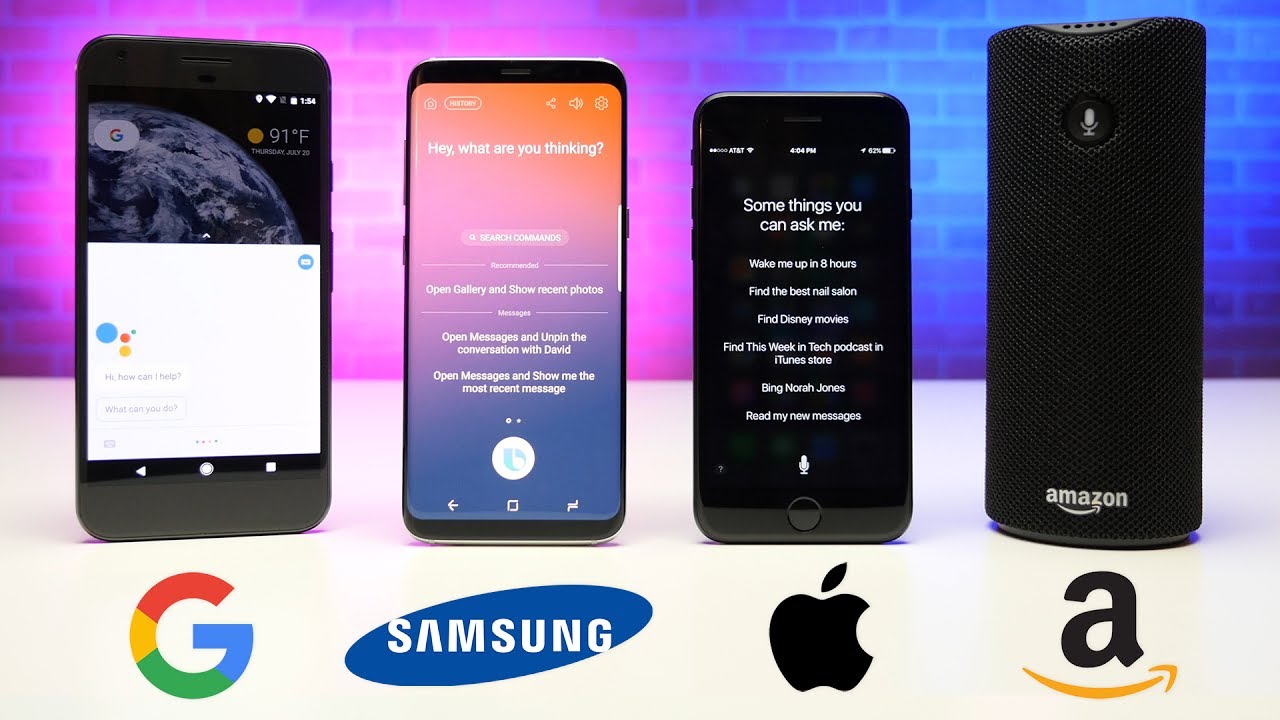
To be fair, neither voice assistant requires more than one user account to start answering questions and controlling smart home devices. But you miss out on things like personalized reminders and access to your meticulously-curated Spotify playlists when you don't link multiple accounts. The Google Assistant and Siri are also very popular smart assistants because they come built into most new Android and Apple devices. However, Google’s Nest and Apple’s HomePod smart speakers don’t work with nearly as many smart home devices as Alexa. When trying to compare these two leading smart speakers, you might wonder whether you can use the gadgets to control your smart thermostat or intelligent light bulbs.

Google Nest devices also have on-board switches to fully turn off mics for privacy reasons. You can also disable saving any Google Assistant voice commands to your account and delete your audio recordings automatically, similar to what Alexa offers. Google’s Nest Audio is the flagship smart speaker in the series and showcases the Nest design well. The fabric covering, rounded corners, and LED dot indicators are all classic features of these speakers. It stands around 6.9 inches high and comes in a variety of colors, including charcoal, sage, sand, and sky. In 2019, Google revamped its Nest brand with a new focus on privacy — some compatibility partnerships ended, some continued, and some were stuck in development limbo for the foreseeable future.
You have the option to name the routine, set a trigger condition ("When this happens"), and set an action dictating how Alexa reacts to that action ("Add action"). Google Home was the company's first foray into smart speakers back in 2016 and it has been around ever since . It has all the usual smart speaker features such as reminders, alarms, weather updates, and playing music but it also supports multiple users. What this should mean is that each person in your house gets a personalised experience because Google Assistant should be able to distinguish between voices. It came with a 10-inch touch-responsive screen and better speakers.

In terms of the ability to understand and answer questions correctly, Google Assistant also leads the pack. In a test conducted by Loup Ventures an investment analysis firm, Google Assistant scored 92.9%, Siri scored 83.1%, and Alexa, 79.8% in questions answered correctly. Our in-house test pitting Alexa against Siri and Google Assistant saw Google Assistant emerge second-best performer. The Echo and smaller Echo Dot are orbs after their most recent redesign, abandoning the cylinder shape of the past.
Google allows users without any programming knowledge to develop custom actions. Third-party apps in Alexa provide all the functionalities that end-users need and it compensates for the gaps in the original app provided by Alexa. More than one lakh of such apps are there in the Alexa store and there is every chance any weird requirement of users will be met.
With Google Assistant, you can voice commands just as you would when you’re talking naturally. With Alexa however, if you fail to follow the correct syntax, Alexa won’t understand any of your queries or commands. AAlexa may have more “skills” / compatibility with more devices and services but it’s hard to use. Google Assistant has fewer skills, called “actions”, but its more advanced natural language processor gives it the upper hand, in that it’s more user friendly. Smart speakers streamline the way you control smart-home devices, letting you use voice commands instead of fiddling with an app.
Apple's signature attention to detail is evident in Siri, but the voice assistant is plagued by a slow pace of innovation. Apple's HomeKit tilts towards a direction different from what Alexa and Google Home ecosystems offer. It is less concerned with countertop supremacy and wide coverage and more focused on security and reliability.
This has slowly worked itself out over time, but Nest compatibility is simply more limited, and you’ll need to study each smart device carefully to make sure it’s compatible with the Nest Mini. Like all Google smart speakers, it is compatible with Chromecast so you can even ask it to start playing your favourite Netflix show on the TV while you grab a cup of tea and some snacks. There are now a lot of smart speakers being sold online, and it can be difficult to work out which are the essential features, and which you will never use. Alexa utilizes the “skills” function to integrate with different products/services. Currently, Alexa has more skills compared to Google Assistant, and it’s more compatible when used with other devices compared to Google Assistant.
Activity on on both platforms will influence the kinds of ads you’re targeted with elsewhere. Questions to Assistant are treated as if you’d entered them on Google Search, so if you ask about engagement rings, don’t be surprised to see wedding-themed ads the next time you open a web browser. You can find Alexa and Assistant on many TVs, some with built-in microphones that eliminate the need to talk to a remote or separate speaker. Currently Alexa can speak English, French, Spanish, German, Italian, Hindi, Japanese, and Portuguese.


No comments:
Post a Comment