Table of Content
This is how our entry looked like during our electrical walk-through. There were only 2 can lights and no space provided for a chandelier instead. We’ve asked them to remove those can lights and replace them with the chandelier. The outside of your newly constructed home should look pristine.

When something seems off, label the problem, take a picture of it, and take note of it in your notebook. This will give you easy access when the time comes to check on the completed repairs. Try to give yourself enough time to ensure everything in the home is up to your standards.
What should a buyer bring to the final walk-through?
If you can’t do your walk-through on the day of closing, you’ll want to aim for no more than 2-3 days ahead of closing. A meticulous and all-inclusive walkthrough can help you move into your new construction home with confidence. Access, complete and sign off on your new construction walkthrough checklists during your walkthrough using any mobile or tablet. This construction walkthrough checklist is free to use and customise for your own walkthroughs. Use the new construction walkthrough checklist below to avoid missing potential flaws in the home. As you walk through the home, use blue tape or sticky notes with a marker to clearly note the areas that require the builder’s attention.

Run major appliances like the washing machine, clothes dryer, dishwasher, stovetop, and oven – and check to be sure the refrigerator and freezer are running. You can make the placement of lights on top of your printed floor plan. However, some electricians require a professionally done electric plan. For the height of electrical outlets check your local code, however, your electrician will know this information. When planning living room lighting you should have a general idea of the room layout. If you are planning to place a sofa or a sectional in the middle of the room – adding a floor outlet would allow you to plug in table lamps and hide the cords under the sofa.
Mistakes to Avoid When Flipping Homes
If you spot any issues during your final walk through, don’t hesitate to share them with your real estate agent. Blue tape walkthroughs help homeowners identify potential problems or blemishes before the final walkthrough and closing. But, it’s essential regardless for both the buyer and builder to do so they can address any issues proactively. At that time, the potential buyer meets with someone who represents the builders, like a builder’s agent or on-site construction foreman, to do a walkthrough of the home.

But there’s one more critical step before closing – the final walkthrough. To help ensure a smooth closing, we’ve created a final walk-through checklist for your new construction home. The final walkthrough is your last chance to make sure that everything you’ve contracted for are in the home. If there are quality issues or missing features, a “punch out” list will have all the notes regarding these issues and will be handed to the subcontractor for completion.
Why is it called a blue tape walkthrough?
You might hear a new construction walkthrough called a “blue tape walkthrough.” Why? Because buyers will often use blue painter’s tape to mark any spots that need to be fixed before everything is finalized. If you and the seller are unable to reach an agreement, and you don’t feel right proceeding with the sale, you can back out the deal. However, you may lose your earnest money deposit if you’re backing out for a reason that wasn’t listed as a contingency in your purchase agreement.

Check windows and doors to make sure there’s a tight seal and that weather stripping is present and secure. You can also ask that the builder provide a home warranty, if they havent already. A home warranty helps give you peace of mind, knowing that if issues arise later, theyll be taken care of as well .
Keep in mind that a new construction home will come with a year warranty, and any issues that may arise after you move in should be covered under your warranty. And if you’re about to have your final walkthrough, we hope that it’s going to be a stress-free experience from start to finish. The final walkthrough is a great time to ask the builder representative about the warranty claims process should they arise. This is also the best time to ask the seller about the house maintenance and use of any of its features.
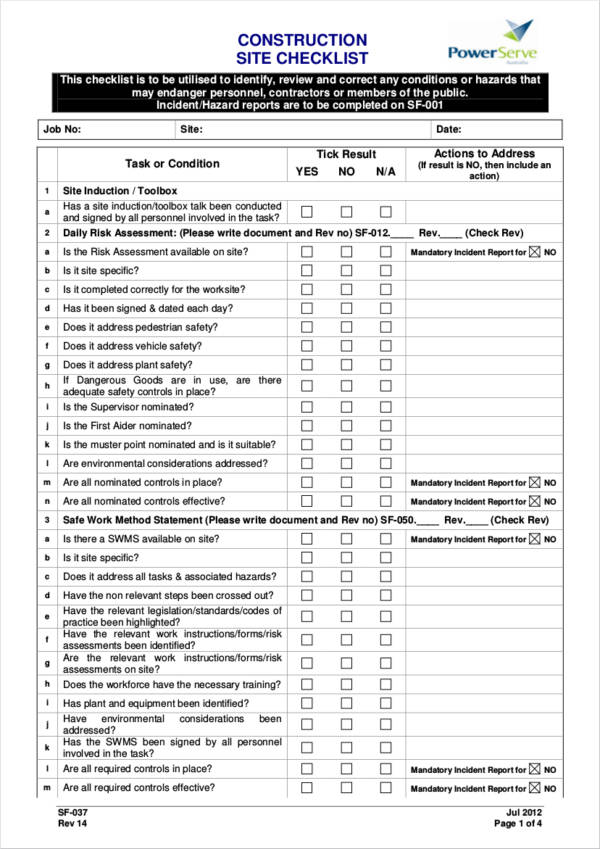
Take special care to walk slowly and methodically over the floor. Check that wood and tile has been leveled and that seams and grout lines are even. On carpeting, make sure the installation is tight and there are no waves or wrinkles.
For pavers and concrete, check that the entire area is level and give it a once-over for any cracks or chips. If there’s an irrigation system, does it appear it’s been working from the condition of the plants? Be sure to turn it on and ensure that all sprinkler heads are functioning properly. While checking to make sure every outlet, appliance, and system is functioning may seem tedious, it can give you peace of mind and potentially help you save a bunch of money. While it’s possible for the buyer to back out after the final walk-through, it’s not going to be your first choice.
Next, move on to inspecting the walls, ceilings, and floor. Does the coverage look uniform, and has the edging been done to professional standards? Look for any indication of water stains or cracking, as that could signal a plumbing, roofing, or foundation problem.
Check that the trim is secure and that the caulking looks smooth. But first, take your time during this interior walkthrough. Daniels reminds his buyers that this walkthrough is the time to catch any and all cosmetic defects.

He or she will be able to create an itemized list of fixes to be done and work with your builder to come up with a solution. The blue tape walkthrough marks off everything worth addressing. But afterward, or during, the buyer should compile a separate list with their construction representative and real estate agent that details all the necessary repairs. When it’s standing, you’ll feel like the finish line is in sight – and it is. A blue tape walkthrough is a vital step in the home construction process that lets the buyer, builder and other important personnel check the new home. Then, together, you work to identify any improvements you want or need before the big move-in day arrives.


No comments:
Post a Comment